Dorchester Ranch Golf Course
Hole by Hole
Get a feel for the course before you play with hole-by-hole details, imagery, and tips from the club.

Hole Description
A straight par 5 that plays as one of the more demanding holes on the course. The fairway is narrow off the tee, with the landing area sloping left. Trees line the left side, while out of bounds runs along the entire right side and is most in play from the tee. From there, the hole is more about advancing the ball and setting up the next shot than forcing a specific position. The approach plays uphill into an elevated green protected by bunkers short right and short left. There is some room to miss slightly right, left, or a little long, though misses too far long can leave a difficult recovery. Short is the miss to avoid.
Caddie Tips
Favor the right center of the fairway off the tee. The priority is finding the fairway. The most common mistake is steering the ball and missing the fairway. From there, focus on advancing the ball and setting up your next shot. If laying up, leave yourself in the 80-100 yard range.

Hole Description
A straightaway par 4 with a wide fairway that gradually narrows as you approach the green. Trees begin to come into play along both sides of the hole approximately 100 yards from the green, tightening the landing area into the approach. The hole plays into a small, elevated green set against a scenic backdrop. The putting surface is relatively flat but sits on a pronounced rise. Trees guard the left side near the green, while out of bounds lies to the right. Misses short leave a more manageable recovery, while other misses can create a more difficult shot.
Caddie Tips
A scoring opportunity with a safe tee shot. Take advantage of the width early, but be aware the fairway narrows as you get closer to the green. The goal is to position yourself for a clean approach rather than pushing too far into the narrowing area. On approach, favor the center of the green. Missing short is the safest option, while other misses can leave more difficult recoveries.
Hole Description
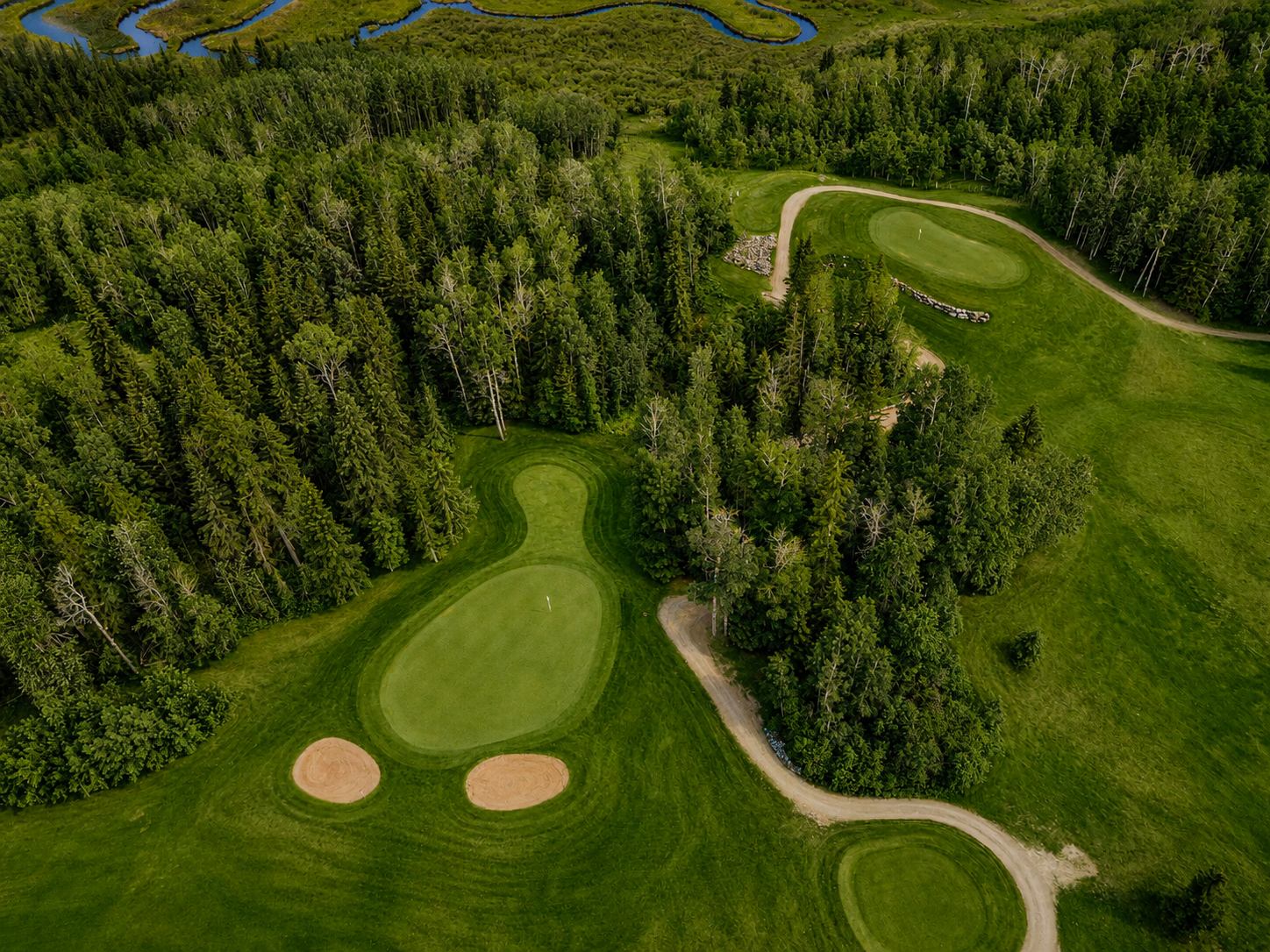
A slightly downhill par 3 played into a medium-sized green. The putting surface slopes from left to right and from back to front. The hole is framed tightly by trees on both sides. Two bunkers sit long of the green, while a runoff area guards the front right.
Caddie Tips
Favor the center of the green. Missing left or right brings trees into play, while short right can leave a difficult recovery. Long is the safest option. Front pin locations require good pace control, as putts can feed back off the green.
Hole Description
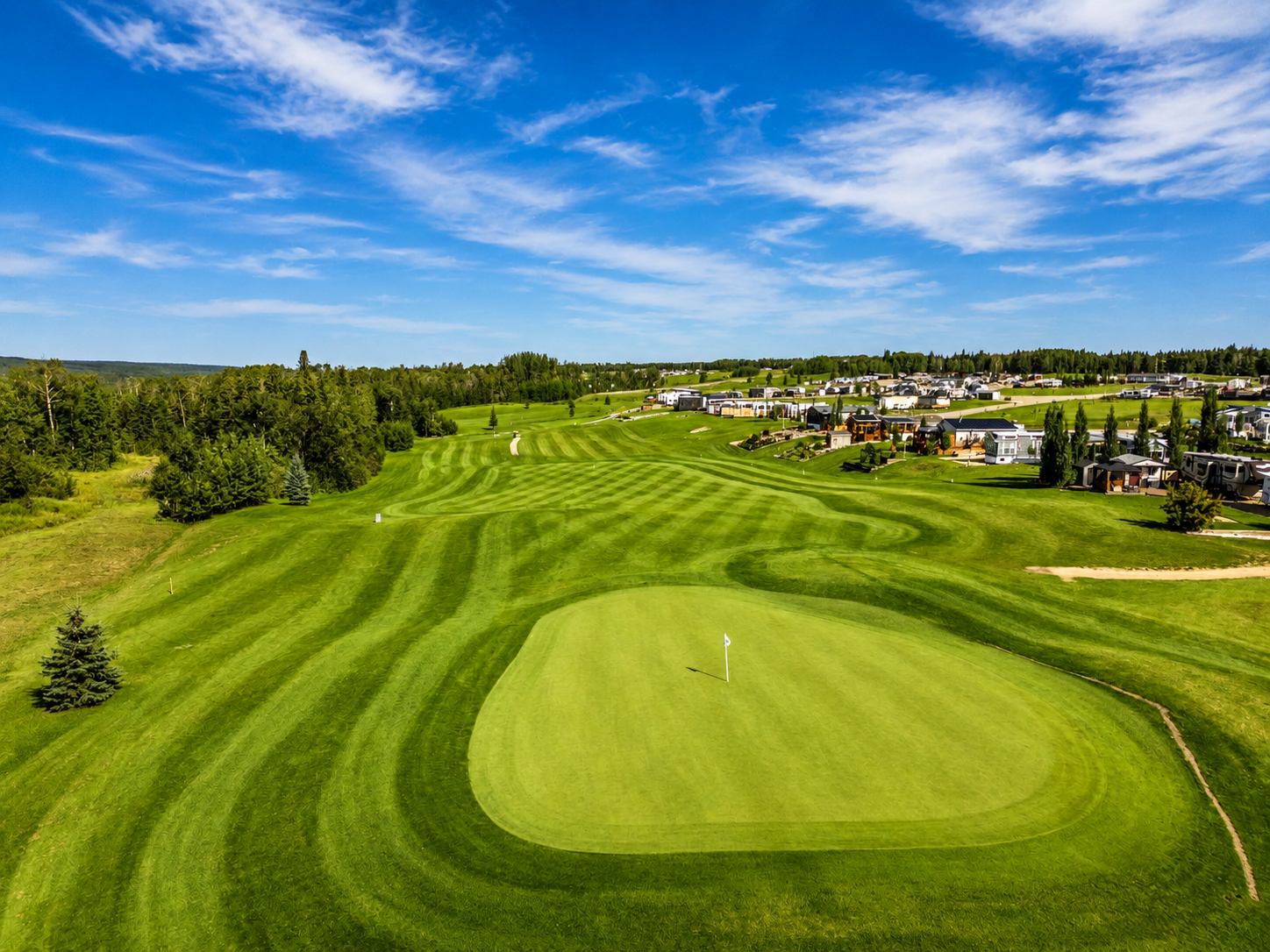
An uphill par 4 with out of bounds running along the entire left side of the fairway. The hole plays into a large green that is naturally protected by surrounding hills rather than bunkers. The putting surface slopes significantly from left to right and from back to front, creating a green that can be difficult to hold and read.
Caddie Tips
Favor the right side off the tee. The main mistake is bringing the left side into play, where out of bounds runs the full length of the hole. From certain tee boxes, the green can be reachable with a strong tee shot. On approach, play toward the center of the green. Misses short left or slightly long can be manageable, depending on the pin position.
Hole Description
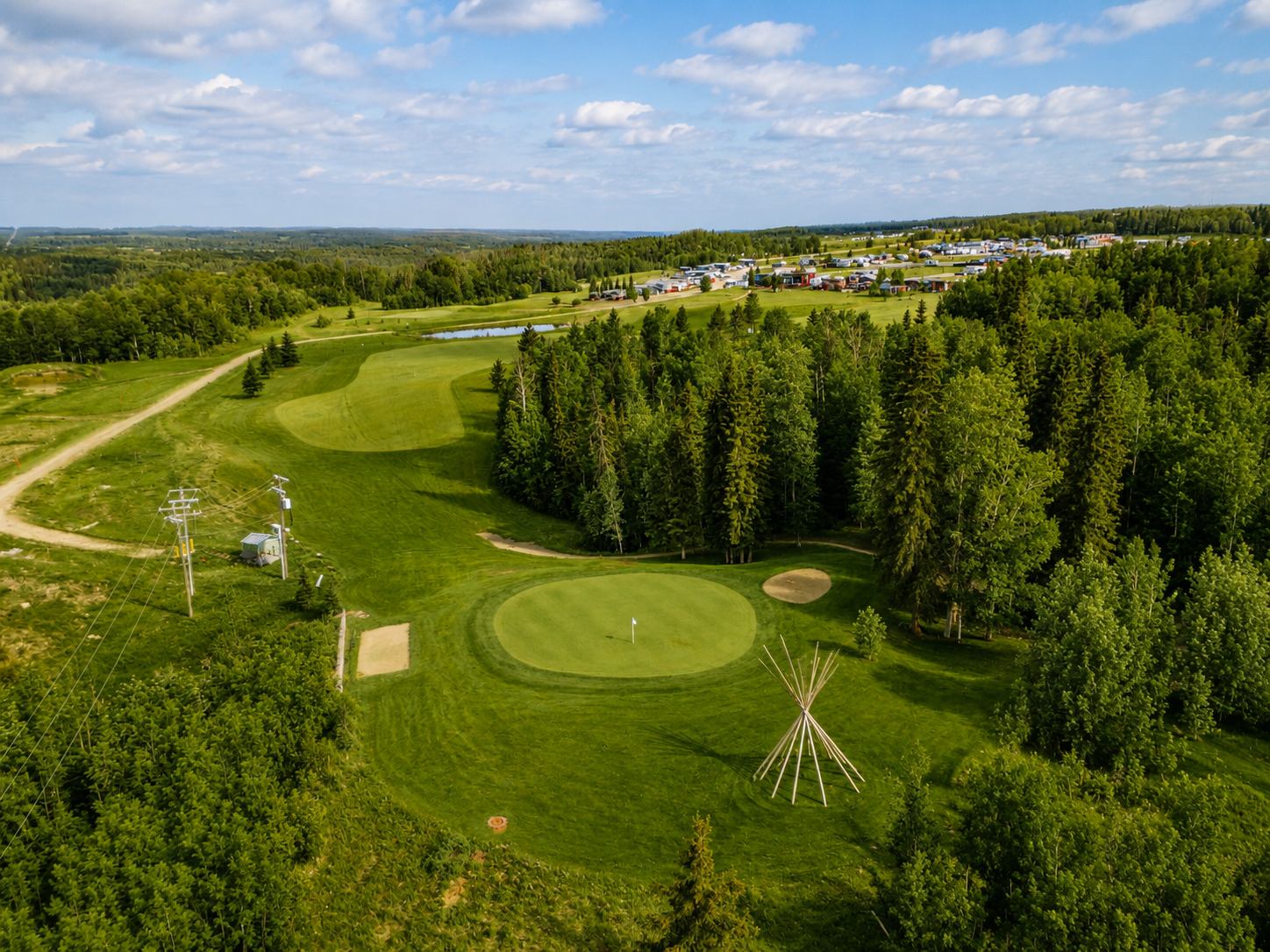
A sharp dogleg left par 4 with a blind tee shot. Trees line the left side and come into play quickly on the corner. The hole plays fairly level before rising toward the green, with a ravine short of the putting surface adding definition to the approach. The green is small and slopes severely from back to front. A large hill sits behind the green, while bunkers guard the right side, the left side, and the area short of the green.
Caddie Tips
Pick your line carefully off the tee. The ideal play is to leave your approach in the 100-130 yard range, where the fairway provides a more manageable angle. Tee shots that travel too far risk running through the fairway and kicking left into the trees. Long hitters can challenge this hole and attempt to reach the green, but it requires a precise line. On approach, long is the preferred miss, as shots can feed back toward the green. Ensure the green is clear before hitting.

Hole Description
A straightaway par 4 and the longest hole from the back tees. The fairway is fairly wide and generally flat with subtle undulation, while fescue lines both the right and left sides. The hole plays into a large green that slopes from back to front. Small pot bunkers sit approximately 20 yards short on both the right and left sides. A low drop-off on the left side of the green adds additional challenge around the putting surface.
Caddie Tips
A demanding tee shot sets up the hole. The priority is finding the fairway and avoiding the fescue on either side. Positioning off the tee is key to setting up a manageable approach into the green. On approach, match your miss to the pin location. Short is preferable on back pins, while long can be workable on front pins. Avoid missing left on your approach.
Hole Description
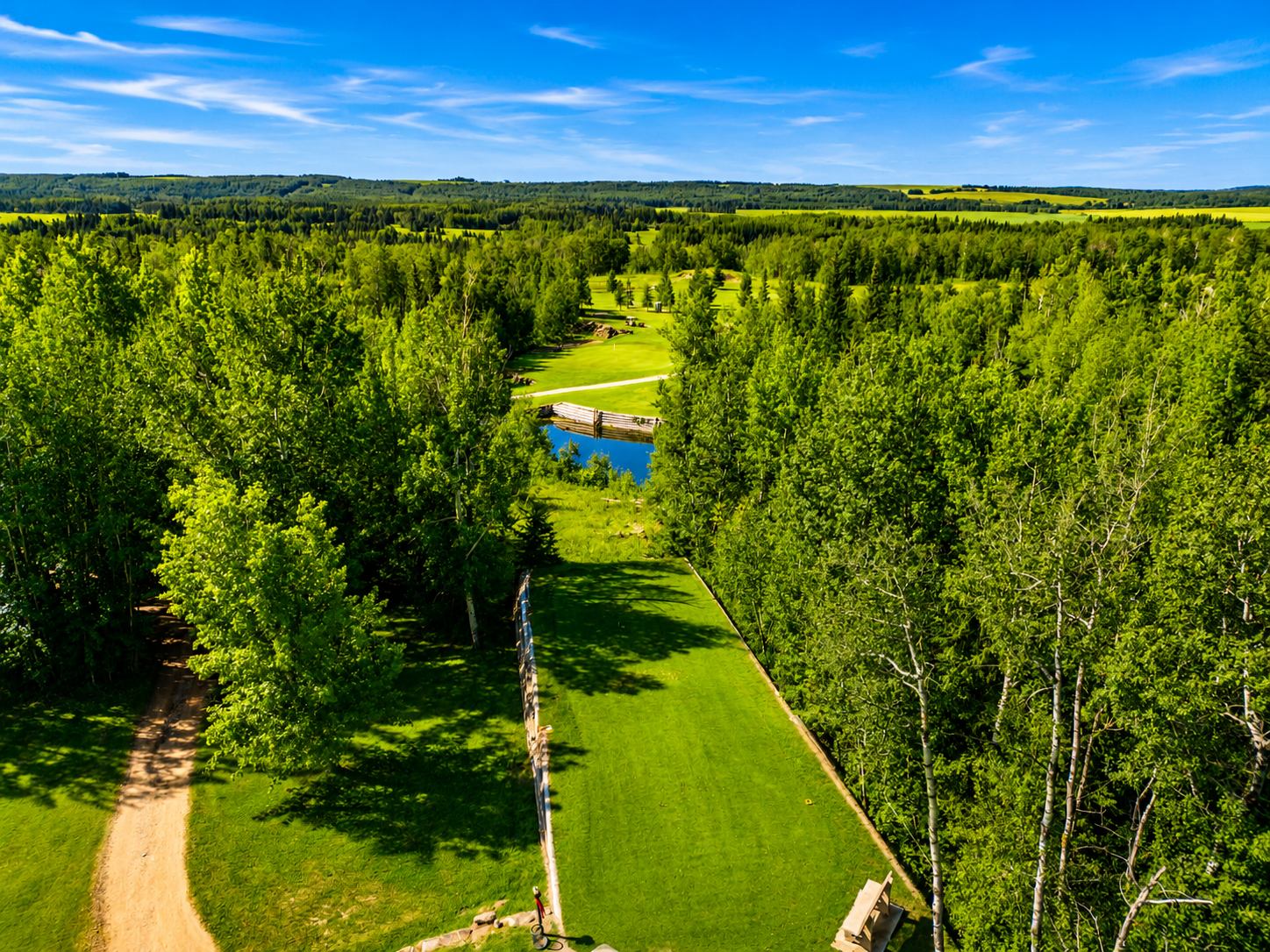
A slightly downhill par 3 played to a large green. The putting surface slopes from back to front and from right to left. Water guards the front of the green, while a bunker sits long left with a ravine beyond it. Trees frame the right side. From the back tees, this is an extremely demanding tee shot with very little margin for error.
Caddie Tips
From the back tees, long right is the safest miss. For all players, long can be more manageable than short. Avoid missing short, where water is in play, and be cautious of the left side, where the bunker and ravine tighten the target.

Hole Description
A slight dogleg left par 5 that plays slightly uphill. Out of bounds runs along the entire left side of the hole. A fairway bunker sits in the landing area off the tee, while trees line the right side with fescue further right beyond the primary landing zone. The approach is played into a large green that slopes from back to front and from right to left. A greenside bunker guards the left side.
Caddie Tips
Favor the right side off the tee to avoid the fairway bunker. More aggressive players can challenge the bunker with a longer drive, but it requires a committed line. This is a go-for-it hole, with the opportunity to reach the green in two from the right position. On approach, a slight miss right is preferred.
Hole Description
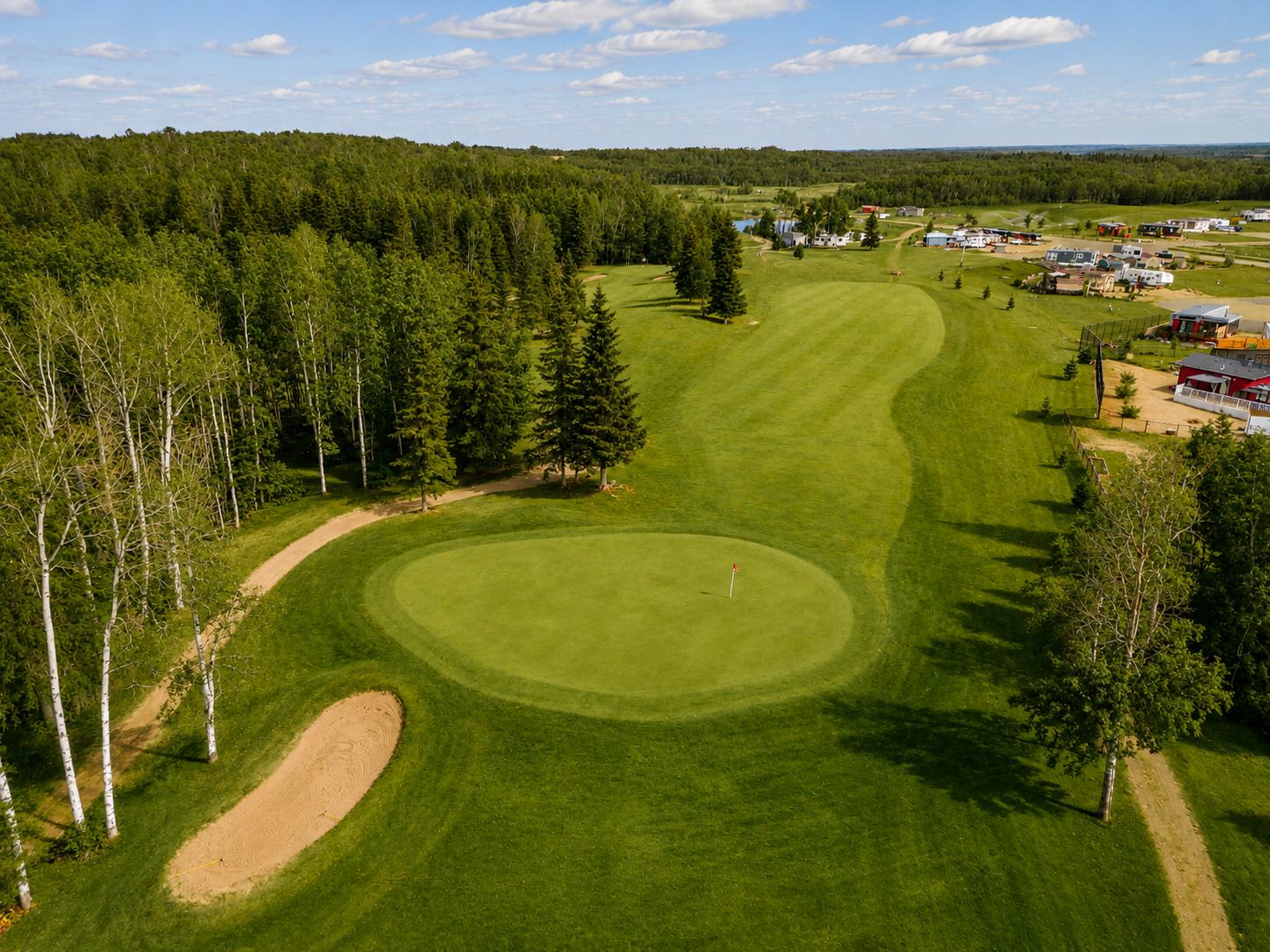
A slight dogleg right par 4 with a wide, flat fairway. Out of bounds runs along the left side, while the landing area opens up for longer tee shots on the right. Trees line the right side, with a spruce tree guarding the approach into the green. The hole plays into a large, two-tier green that slopes from right to left. A bunker sits long of the green, adding depth to the approach.
Caddie Tips
Favor the right side off the tee. This is a green light tee shot, with the opportunity for longer hitters to reach or get close to the green. Commit to your line, as out of bounds runs along the left side. On approach, a slight miss short is preferred. Avoid missing right on your approach.

Hole Description
A visually straightforward but well-guarded par 3. The green is surrounded by trouble on all sides and offers very little margin for error. The putting surface slopes from back to front, with a false front on the right side. A greenside bunker protects the front left, while water guards the front right. A bunker sits long left, and trees frame the back of the green. Shots missing left will run off into a difficult recovery area with trees in play, while short left brings the bear trap into play. Overall, the green complex is the defining feature of this hole, requiring precise distance control and a well-placed tee shot.
Caddie Tips
Play to the middle of the green and commit to the correct yardage. If you miss, short is the safest option. Avoid missing long or left, as both leave very difficult recoveries. Be cautious with right-side pins. The false front can reject shots that come up slightly short, leaving a tough pitch back up the slope. The hardest shot on this hole is often your second. Missing the green will leave a demanding chip or pitch, so the goal is to leave yourself a manageable putt rather than forcing the issue.
Hole Description
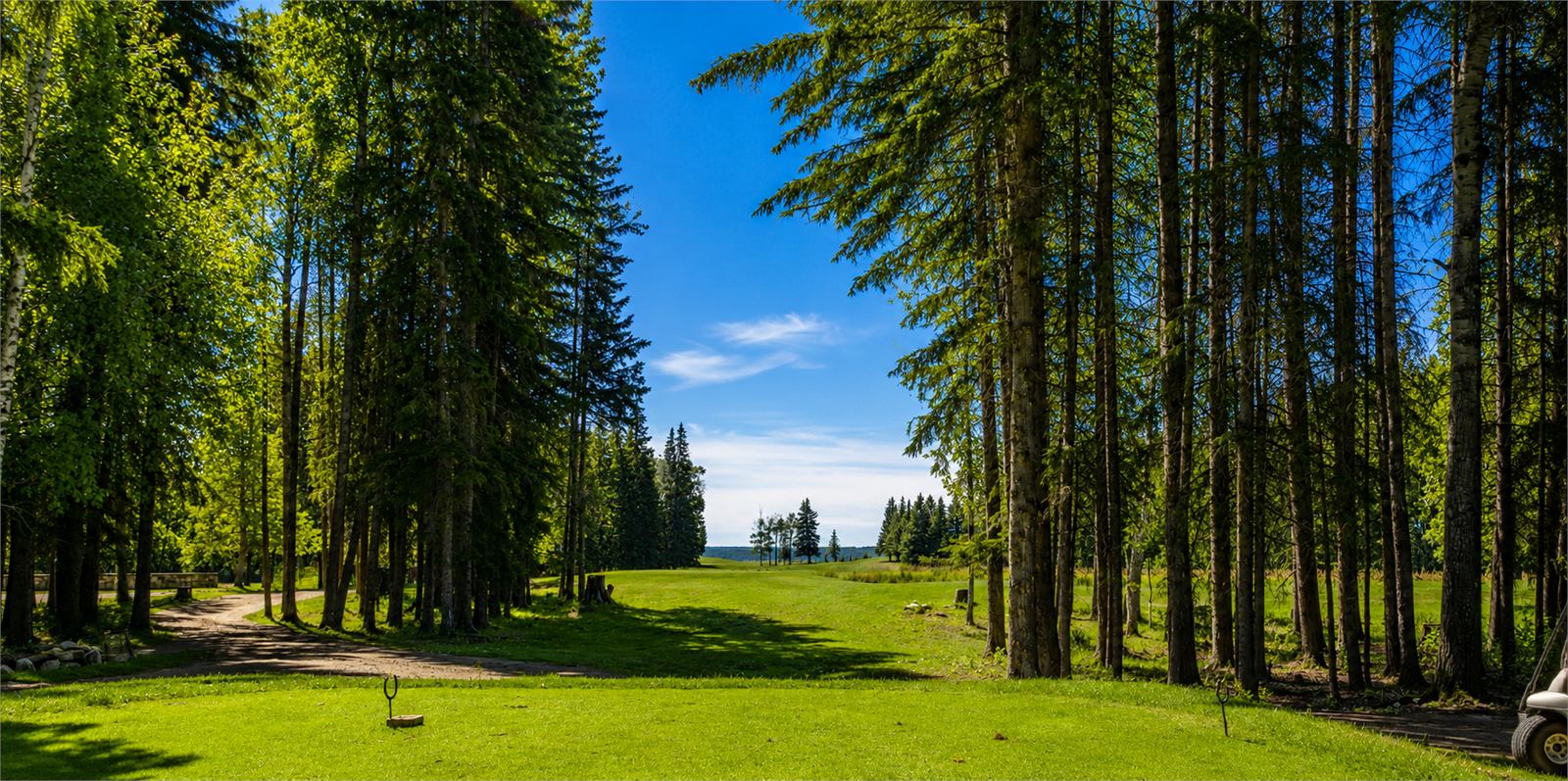
A dogleg left par 4 with a fairly flat, standard fairway and trees lining the entire left side. The hole turns gently toward a small, elevated green protected by bunkers on both the front right and front left. The green slopes from right to left and from back to front, creating a surface that can be difficult to hold and read. A runoff area sits on the middle left side of the green, while anything long can leave a difficult recovery.
Caddie Tips
Favor the right side off the tee. The common miss is either taking too much club and running through the fairway or pulling the ball left into the trees. Leaving yourself around 100 yards is the safest play and gives you a good angle into the green. An aggressive line is available for players who can shape the ball left or carry it over the trees, but it requires a precise tee shot. On approach, short is the safest miss. The small, elevated green is difficult to hold, with trouble left and long.
Hole Description
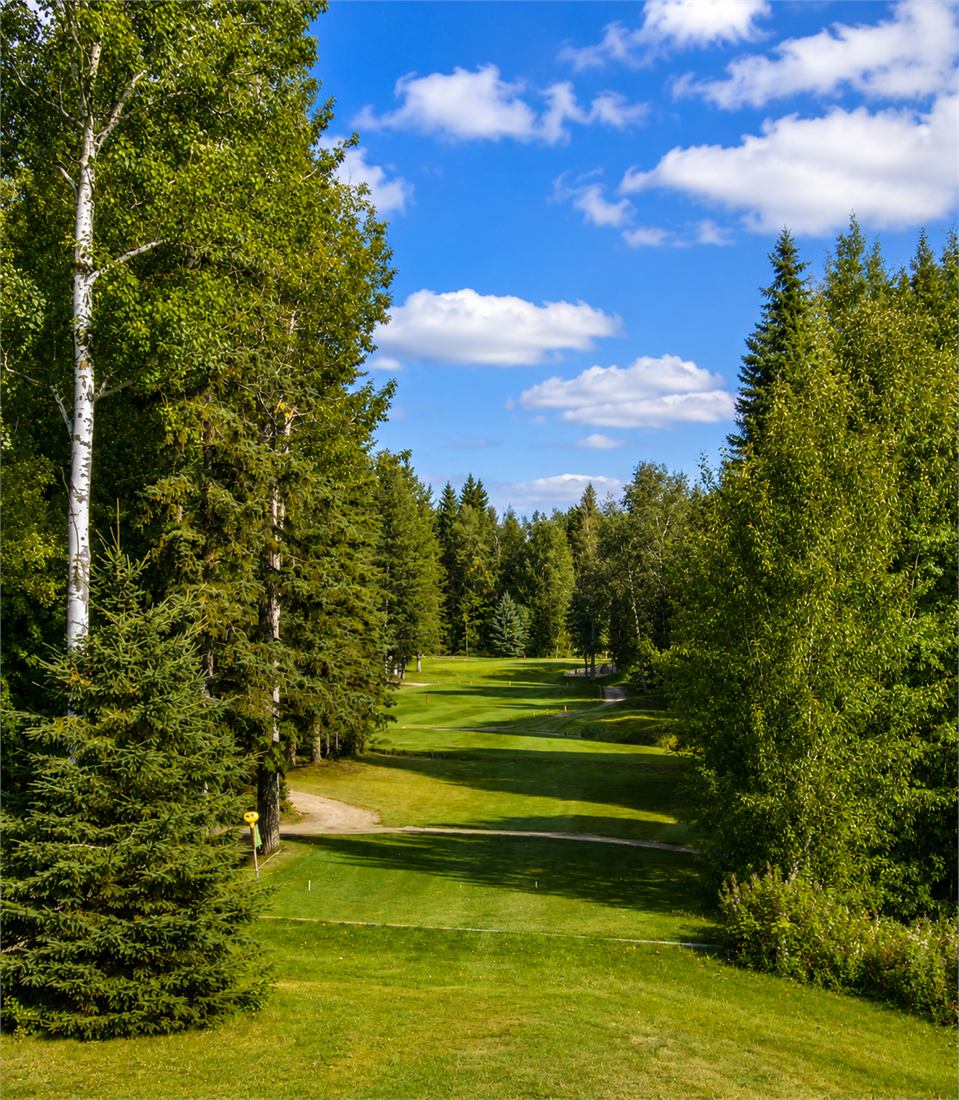
A straightaway par 4 with a narrow landing area off the tee. Water runs along the entire right side of the fairway and continues around the back of the green. The left side is lined with trees and rough, though it opens up slightly in the 70-95 yard range from the green. The approach plays into a medium-sized green with a false front and a slope from right to left. A bunker guards the front right, while water protects the right and long sides of the green.
Caddie Tips
Avoid the right side off the tee. The priority is finding the fairway. Players who miss the fairway will struggle to control their approach into the green. Leaving yourself in the 80-100 yard range provides the best opportunity, as the fairway is wider in this area. More aggressive tee shots can challenge further down the hole, but the landing area narrows the longer you go, increasing risk. On approach, favor the left side. Trouble sits right and long, while the slope of the green works from right to left.
Hole Description
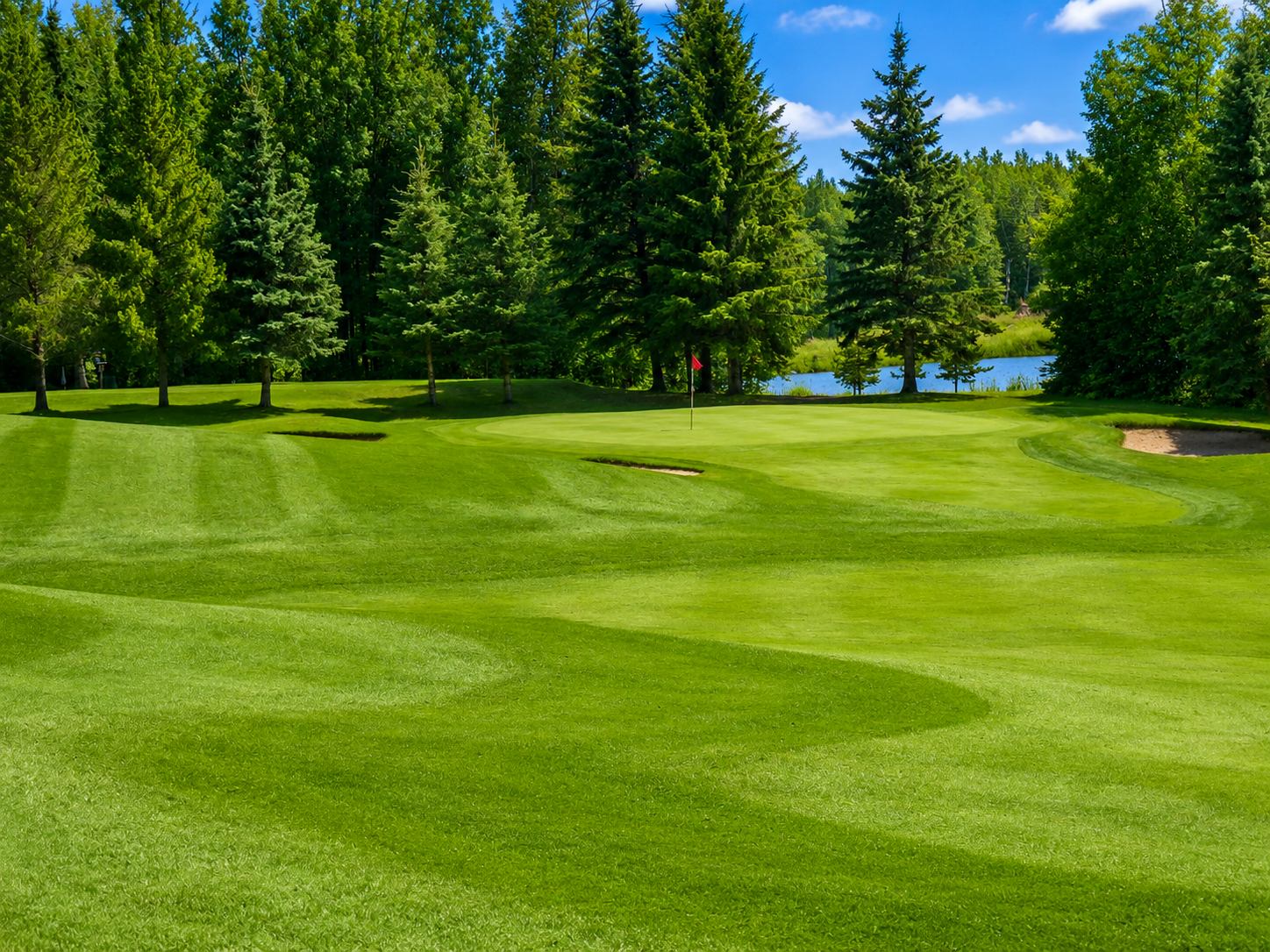
A slight dogleg right par 4 with a tree-lined tee shot and a fairway that slopes significantly from left to right. The hole plays slightly downhill, and tee shots will naturally feed toward the right side. From the back tee, players are faced with a tighter shot through the trees to start the hole. The approach is played into a slightly elevated, medium-sized green that is fairly flat with a subtle bowl shape. The green is protected by bunkers at the front right and front left. Misses left will find the bunker or leave a difficult pitch over it, while misses right bring a bunker and trees into play. There is some room long, and short of the green is a more manageable area.
Caddie Tips
Start your tee shot left and let the slope feed the ball back to the right. Avoid trying to steer the ball through the trees. Committing to your line is key, especially from the back tee. The goal off the tee is to advance the ball as far as possible and set up a shorter approach. On approach, both short and long can work. Short leaves an uphill shot, while long offers a small flat area, though it is limited.
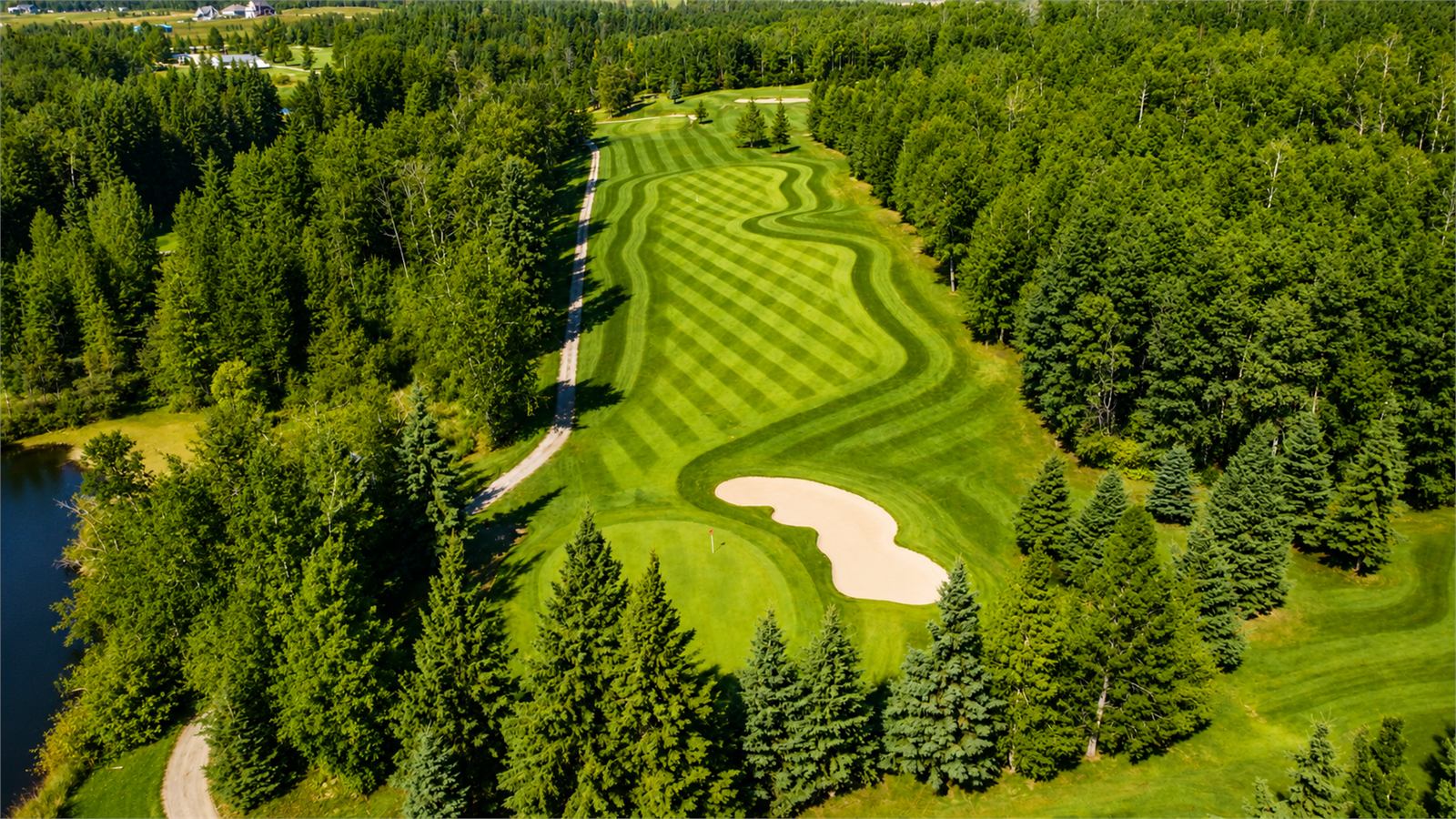
Hole Description
A slightly uphill par 4 with a wide fairway that slopes toward the right side. Tee shots that drift too far right can be pulled into the trees, while a fairway bunker sits on the left side in the primary landing area. The approach is played into a slightly elevated, narrow, and elongated green that slopes from back to front. Greenside bunkers guard both the right and left. The green is deceptively long, offering more room than it appears. Misses short leave a slight uphill pitch or chip, while there is some room long. Shots just right can feed onto the green, while anything further right will find the bunker.
Caddie Tips
The common mistake is missing the fairway. The right side is the most penal, while tee shots too far left can leave a blocked approach into the green on this slight dogleg left. A good tee shot should favor the left side and hold the fairway through the shape of the hole. On approach, the preferred line is slightly right of center, with the ability to be aggressive toward the pin. Shots just right can be favorable, as the slope around the bunker can feed the ball onto the green. However, misses too far right will find the bunker.
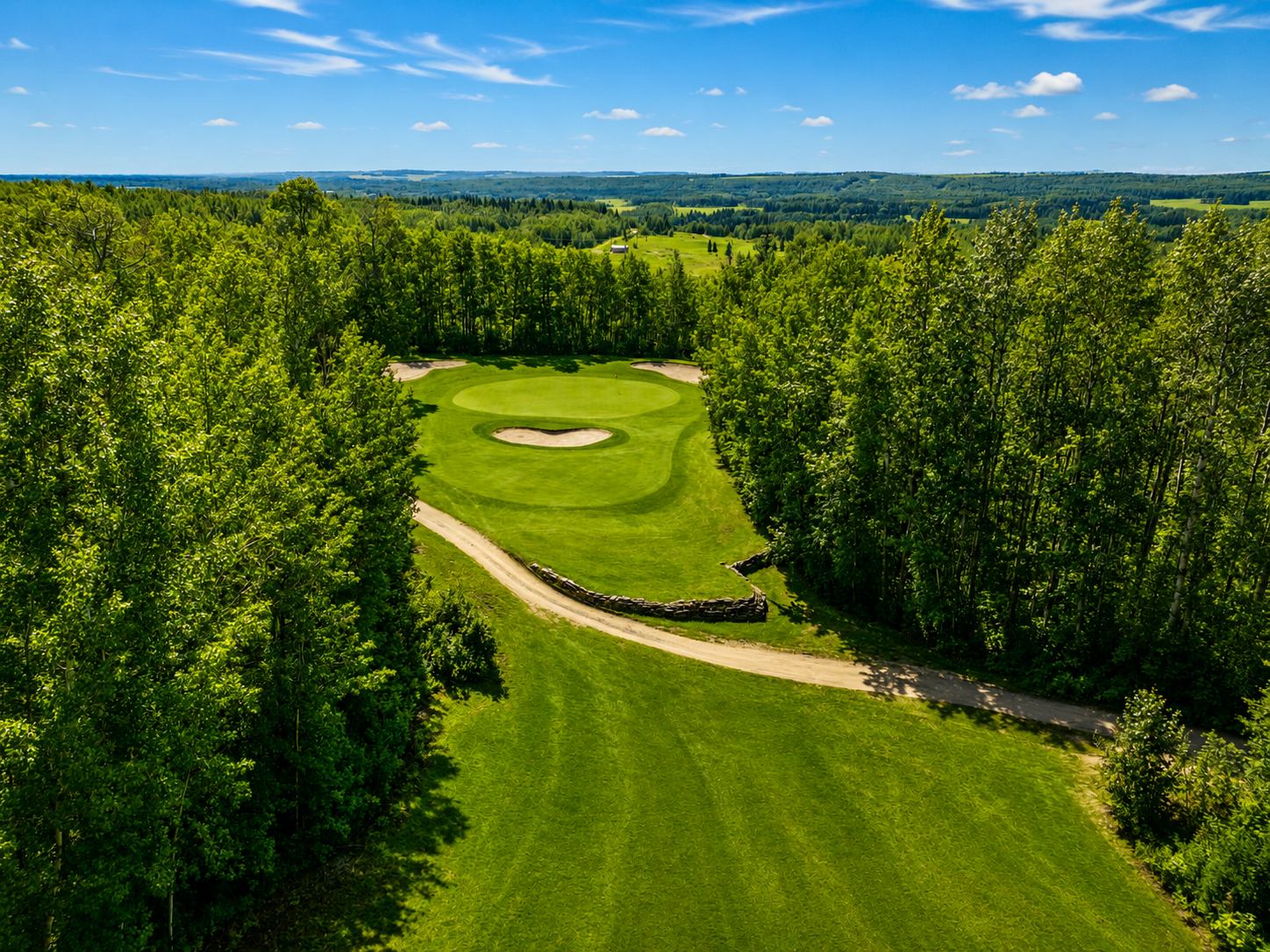
Hole Description
A downhill par 3 framed by trees and played to a medium-sized green. The putting surface is protected by a bunker short middle, with additional bunkers back left and back right. The green features a strong slope from left to right and from back to front, creating a surface with a lot of movement and a variety of challenging putts. Its contouring can also create opportunities for shots that use the slope effectively.
Caddie Tips
Favor the left side and use the slope to feed the ball toward the right. Club selection can be tricky with the downhill shot and prevailing wind often behind you. Shots finishing right and pin high or slightly long can be workable. Avoid missing short, as the front bunker is in play. Do not short-side a left pin.
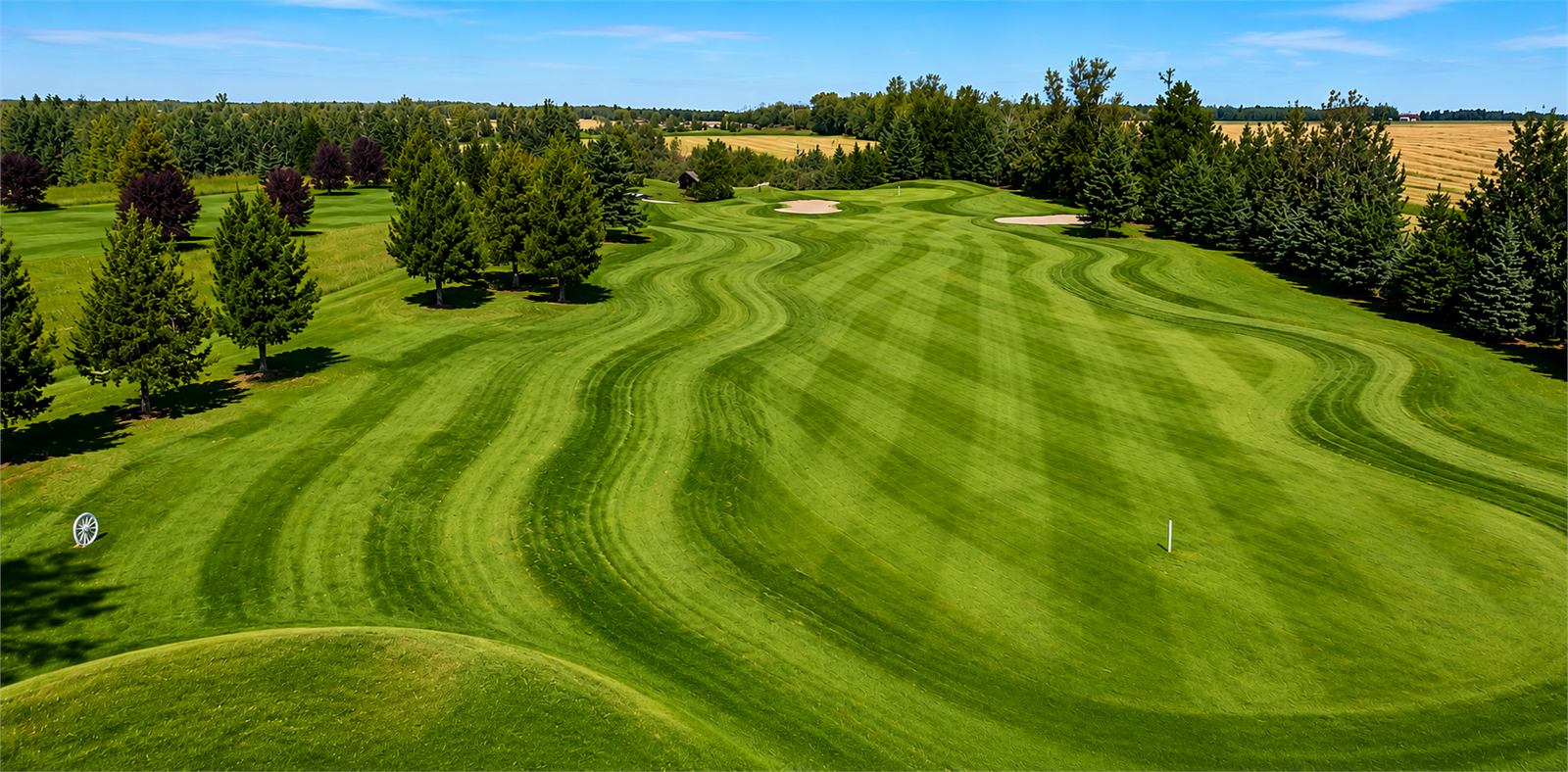
Hole Description
A straightaway par 4 with a wide, flat fairway and out of bounds running along the right side. The left side is bordered by rough with scattered pine trees, with fescue further left. The approach is played into a slightly elevated, medium-sized green that is fairly flat. A bunker guards the front left of the green, while another bunker sits approximately 30 yards short on the right side. Around the green, misses left will find the bunker, while shots slightly right can be favorable and may feed onto the green. Further right, a collection area leaves an uphill pitch. There is some room long, though deeper misses will find rough.
Caddie Tips
Avoid the right side off the tee. The common mistake is bringing out of bounds into play. This is a hole where you can be aggressive. The goal is to advance the ball as far as possible off the tee. On approach, players can be aggressive toward the pin. Do not miss right.
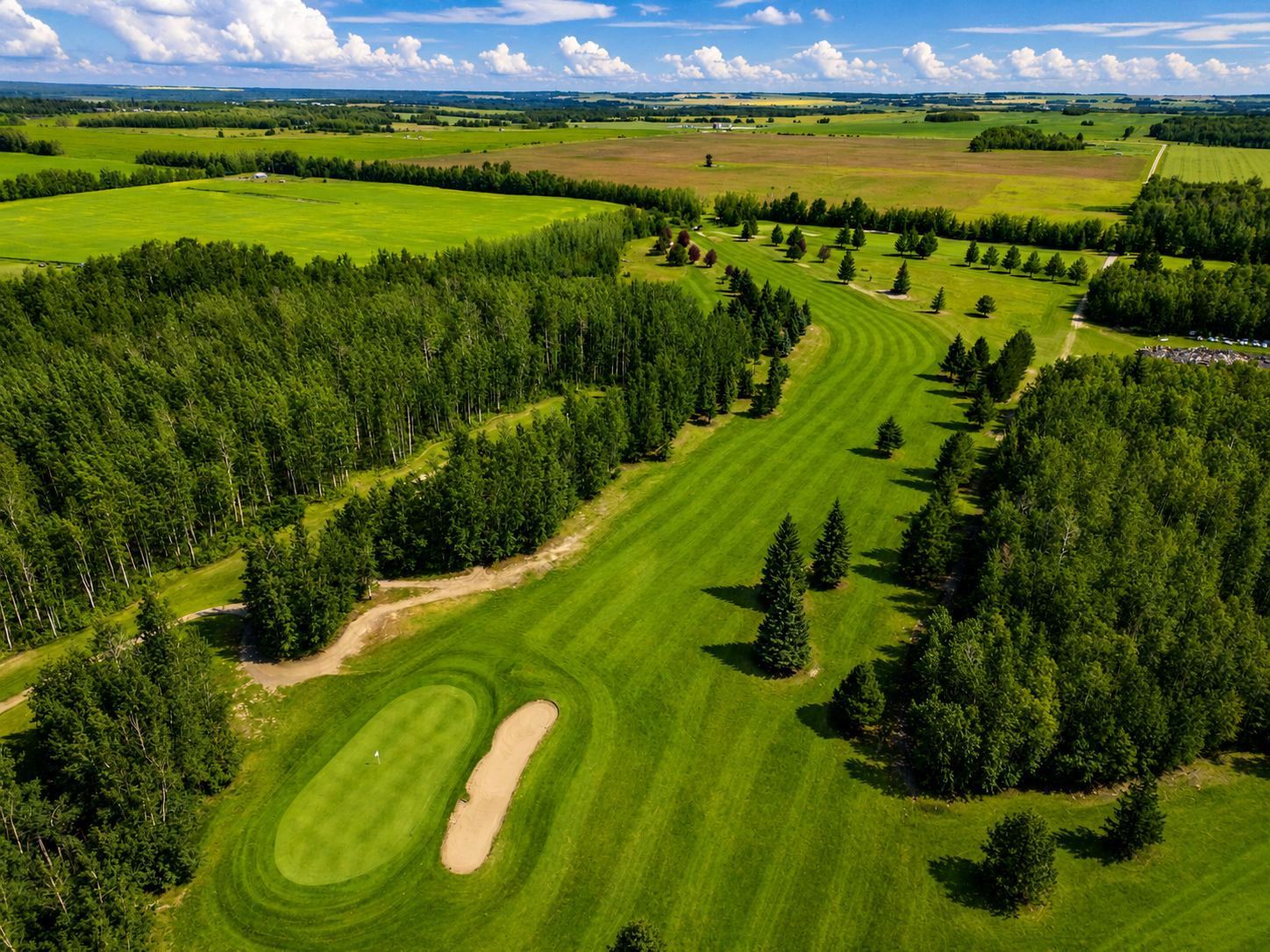
Hole Description
A dogleg right par 5 with a fairway that plays relatively flat off the tee before sloping downhill over the final 150 yards toward the green. Trees line the right side and come into play if the ball carries too far through the fairway. The approach is played into a large green that slopes from back to front and from right to left. The green sits on a shelf, with a bunker guarding the left side and a drop-off beyond it into a lower area.
Caddie Tips
A slight miss left is fine off the tee. The biggest mistake is going right without carrying the stand of spruce trees, which leaves a layup or chip out. For longer hitters, the right side can reward a strong second shot, but if you do not aim far enough right, the ball can also run through the fairway. This is a green light hole on your second shot, with going right being the better miss. On the approach, favor the center of the green. The surface has more movement than it appears. Do not go long.

Hole Description
A straightaway par 5 with a slight dogleg right, Hole 18 is an inviting risk-reward hole that requires precision from the tee. The hole plays downhill off the tee and uphill on the approach. The fairway offers a wide landing area initially, but narrows the farther down the hole you go. A creek crosses the hole 230 yards from the green and serves as a main decision point off the tee depending on your game. Out of bounds lines the left side, while out of bounds also comes into play on the right beginning approximately 150 yards from the green. The approach is played into a medium-sized, long and narrow two-tier green that slopes from back to front. Greenside bunkers protect both the right and left sides.
Caddie Tips
Favor the left side of the fairway off the tee, but be careful not to go too far left, as out of bounds and trees come into play. Commit to your tee shot. The common mistake is indecision, especially when choosing a line. Shots too far right can bring trees into play and leave a blocked second shot. If laying up, leave yourself in the 80-100 yard range.